San Marcos Mello-Roos and HOA Costs by Neighborhood
September 10, 2026
September 10, 2026
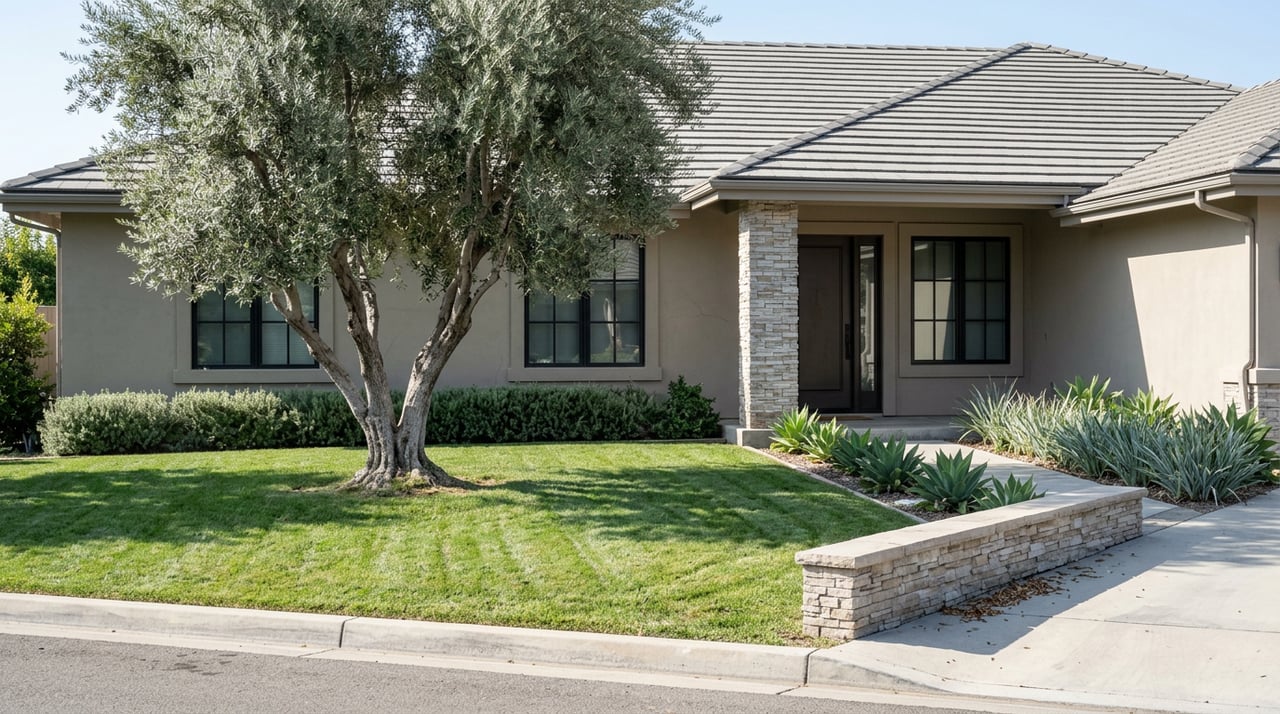
Picture two offers landing on the same afternoon. Both homes list at $875,000. Both have three bedrooms, updated kitchens, and a two-car garage. One sits in Santa Fe Hills, off Rancho Santa Fe Road. The other sits in San Elijo Hills, a few miles south, closer to the coast. On paper they look like the same purchase. On the first mortgage statement, they are not.
That gap does not come from the sale price. It comes from a layer of the transaction that rarely shows up until escrow: the special tax district attached to the parcel, known in California as Mello-Roos, and the homeowners association fee stacked on top of it. In San Marcos, those two line items depend almost entirely on when a neighborhood was built and which developer financed its infrastructure, not on the list price a buyer is comparing on a portal.
San Marcos has been building steadily since the late 1980s, and the state's Mello-Roos Community Facilities Act, passed by the legislature in 1982, has financed a good share of that growth. Every time a developer needed to fund new streets, sewer lines, schools, or fire stations ahead of rooftops going up, the city or the school district formed a new Community Facilities District, or CFD, to spread that cost across the homes being built. The practical result is that a home's Mello-Roos exposure tracks its construction era and its specific subdivision boundary, not its neighborhood's general reputation or its current market value.
That is why a 1998 tract two streets apart from a 2012 tract can carry entirely different obligations, and why the city's finance department administers more than a dozen separate active bond issues rather than one flat citywide rate. The county auditor's active Mello-Roos roster lists individual San Marcos Unified School District CFDs numbered up through the mid-teens, plus a separate set of city-administered districts, each with its own contact number for payoff and duration questions.
Pull a few real examples and the spread becomes concrete.
| Neighborhood | Built | Typical HOA | Typical Mello-Roos / CFD | Notable detail |
|---|---|---|---|---|
| Luminara, San Elijo Hills | 2006 | $80/month | Applies | Built by Richmond American Homes; property tax rate runs near 1.09% of net value on top of the CFD |
| Belmont, San Elijo Hills | 2012 | About $240/month | Applies | Gated, 131 homes, dues cover pool and spa maintenance |
| Meridian Heights, San Elijo Hills | Varies | $80 to $150/month | Applies | Sits under the broader San Elijo Hills master HOA |
| Santa Fe Hills | Built 1988 onward | Varies by tract | ||
| The Laurels, West San Marcos | Older, pre-CFD | None | Listed marketing explicitly notes no HOA | |
| Lake San Marcos | Spans decades | Ranges from none to roughly $1,700-$2,500/month | Varies by sub-HOA | More than 20 separate HOAs inside one community name; top figure reflects an all-inclusive 55+ community |
Two things jump out. First, the same master-planned name, San Elijo Hills, covers subdivisions with meaningfully different carrying costs depending on when each phase was built and which sub-HOA administers it. A buyer comparing two $875,000 listings without checking which category each one falls into is comparing incomplete numbers.
That neighborhood has roughly 1,850 homes. CFD 88-1 originally funded street improvements, sewer and water lines, drainage facilities, an elementary school, portions of a junior high and high school, a community park, and a fire station site.
A separate, smaller piece of the same district, the services tax. It funds ongoing maintenance rather than one-time construction.
Layered on top of neighborhood-specific districts is a separate, citywide CFD, numbered 98-02, created to fund lighting, landscaping, open space, and preserve maintenance across San Marcos generally. It applies through what the city calls F-Zones, tied to specific improvement areas. Unlike the facilities portion of CFD 88-1, the city's own documentation for CFD 98-02 states plainly that this special tax may be levied indefinitely.
That distinction matters for anyone doing long-range math on a San Marcos purchase. Some of what looks like a permanent tax burden is actually running out on a known date. Some of it is not going anywhere.
For families weighing an accessory dwelling unit, the same CFD system reaches into new construction. SnapADU says every new development project in San Marcos, ADUs included, is subject to a CFD charge. Owners satisfy that requirement one of two ways: annexing into an existing district, which adds roughly $1,000 to $2,000 a year to the property tax bill going forward, or paying a one-time in-lieu fee that typically runs $100,000 to $200,000. The city council certifies these CFD annexation votes four times a year.
That is a meaningful fork in the road for anyone building a unit for aging parents or downsizing family, since the annual annexation option and the lump-sum in-lieu fee produce very different cash flow pictures depending on how long the family expects to hold the property.
The typical San Marcos home was valued at $912,665 as of late June 2026. That single number tells a buyer almost nothing about the recurring cost of ownership on any specific address. The number that actually predicts a monthly payment lives on the current property tax bill, under the line labeled "FIXED CHARGED ASSMTS," where CFD line items appear separately from the standard ad valorem tax. Before comparing two listings priced within a few thousand dollars of each other, it is worth pulling that tax bill, or asking the listing agent for it directly, rather than assuming a similar price means a similar carrying cost.
Does Mello-Roos ever actually go away? Sometimes. The facilities portion of a district, tied to a specific bond, can retire on a set date. Services-oriented portions and citywide districts like CFD 98-02 are structured differently and, in the city's own language, can be levied indefinitely.
Is a no-HOA, no-Mello-Roos neighborhood automatically the better deal? Not necessarily. Those older tracts, like The Laurels, tend to predate the 1988 threshold when CFDs became standard practice in San Marcos, but they also come without the shared amenities, reserve funds, and exterior maintenance that HOA dues in newer communities are paying for. The right comparison weighs the total monthly obligation against what that money buys, not just whether the line item exists.
How do I confirm what applies to a specific address before I make an offer? The San Diego County Auditor and Controller publishes an annual list of active Mello-Roos districts with contact numbers for each administrator, and the current property tax bill for any parcel will show the exact CFD designation under the fixed assessments section. For San Marcos Unified School District CFDs specifically, the district publishes its own disclosure documents by requirement.
San Marcos rewards buyers who ask the tax bill question early, and it can quietly penalize the ones who compare list prices alone. If you are weighing a purchase or a sale here, whether it is a first move into North County or a transition into a smaller, more manageable home, the Chintz Team can walk the actual tax history of a specific address with you before you write an offer. Reach out for a free home valuation and a straight answer on what a given address really costs to carry.
This article is general information, not legal, tax or financial advice. Consult a qualified professional about your situation.
Stay up to date on the latest real estate trends.
AS A SENIOR REAL ESTATE SPECIALIST (SRES) WE ARE COMMITTED TO MEETING THE REAL ESTATE NEEDS OF SENIORS AND THEIR FAMILY MEMBERS. WE HAVE THE TRAINING AND CREDENTIALS NECESSARY TO COUNSEL 50+ CLIENTS AND THEIR FAMILIES THROUGH MAJOR FINANCIAL AND LIFESTYLE TRANSITIONS INVOLVED IN RELOCATING, REFINANCING OR SELLING THEIR FAMILY HOME.