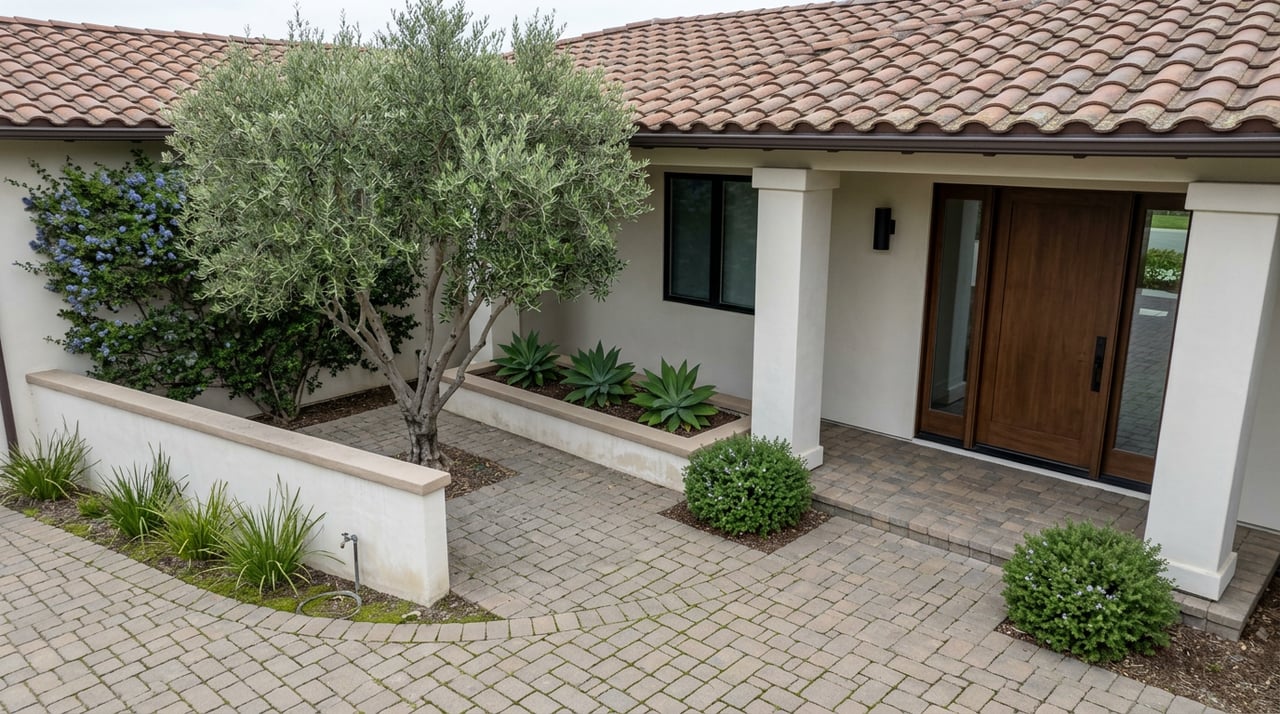
Why California's New $750,000 Probate Shortcut Doesn't Help Most Oceanside Families
September 3, 2026
September 3, 2026
According to Inherited Property Match, California raised the threshold for its simplified probate process to $750,000 last year, and if you only read the headline, it sounds like relief for families settling an estate. Then you look at what homes in Oceanside actually sell for, and the relief evaporates. The city's typical sale price has been sitting above that threshold for most of 2026, which means the shortcut the legislature built rarely reaches the families who need it here.
That gap between the law and the local market is the thing worth understanding before you or a family member starts the process of selling an inherited home in this city.
Assembly Bill 2016 took effect April 1, 2025, and raised California's simplified primary-residence probate petition from $184,500 to $750,000. The idea was straightforward: for estates under that value, an heir can use a streamlined petition instead of full probate, which, according to iBuyer.com, typically runs 9 to 18 months. The $750,000 cap applies specifically to the decedent's California primary residence, and it's a real improvement over the old threshold.
The catch is that the number is fixed. It doesn't track home values, and it isn't scheduled to adjust again until April 1, 2028. In a coastal North County city, that's a long time for a flat dollar figure to hold up.
Depending on which tracker you check and which window it measures, Oceanside's typical sale price in 2026 has landed consistently above the new threshold. Redfin put the three months ending June 2026 at a median of $885,000. PropertyShark measured Q2 2026 at a median of $842,000. Zillow's home value index showed the typical Oceanside home at $874,097 as of July 31, 2026.
| Source | Measurement window | Figure |
|---|---|---|
| Redfin | 3 months ending June 2026 | $885,000 median sale price |
| PropertyShark | Q2 2026 | $842,000 median sale price |
| Zillow (ZHVI) | As of July 31, 2026 | $874,097 typical home value |
The methodologies differ, and none of them will match the exact appraised value of a specific inherited property. But every one of them clears $750,000 by a comfortable margin. A modest, unremarkable inland Oceanside home, not a view lot, not a rebuild, sits above the line that was supposed to spare families from full probate.
The other place families get tangled up is assuming that probate and property tax reassessment are the same question. They aren't, and confusing them leads to bad timing decisions.
Probate is about authority. It determines who has the legal right to sign a deed and close a sale. Proposition 19's parent-child exclusion is about property tax. It determines whether an heir keeps the parent's old, lower assessed value or gets reassessed to current market value. A family can resolve the first question and still get blindsided by the second.
As Bay Legal explains, under Prop 19, a child who inherits a parent's primary residence can avoid full reassessment only if they move into the home within one year and file for the homeowners' exemption. Even then, the exclusion isn't unlimited. The current cap, set by the State Board of Equalization for transfers between February 16, 2025 and February 15, 2027, is $1,044,586 above the parent's factored base year value. If the home's market value exceeds the parent's assessed value plus that cap, the excess gets added to the new assessment. Given where Oceanside prices sit, most local families whose parents held a home for a decade or more will fall comfortably under that cap and keep most of the old tax base, provided they actually move in on time.
That one-year deadline doesn't bend for probate delays. If the court process takes 14 months to resolve who has authority to act, the Prop 19 clock has already run out before the heir could reasonably move in. It's worth deciding early, ideally with the attorney handling the estate, which path the family is on so the property tax decision doesn't get made by default.
For Oceanside estates, the case is heard at the North County Regional Center at 325 South Melrose Drive in Vista, the branch court that serves Carlsbad, Escondido, Oceanside, San Marcos and Vista. Families in southern San Diego neighborhoods file downtown at the Central Courthouse instead. It's a detail that only matters once, but it matters a lot in the moment: knowing which building to drive to, where filings get docketed, and where the probate examiner's notes will show up saves a wasted trip during a period when nobody has the bandwidth for one.
Here's the part of a probate sale that catches families off guard even after they've cleared every other hurdle. Court confirmation may be part of the process.
The minimum first overbid isn't negotiable. It's set by statute at the accepted price plus 10 percent of the first $10,000 plus 5 percent of the remaining balance. On an $850,000 accepted offer, the math works out like this:
If the inherited property sits inside one of Oceanside's age-restricted communities, there's a second layer of approval running alongside the court's. Ocean Hills Country Club, the guard-gated community built between 1984 and 1999, has 1,632 homes divided across eight separately incorporated villages, Corfu, Cyrus, Hydra, Majorca, Mykonos, Portofino, Santorini and Zante, each with its own homeowners association. The associations and the community's occupancy rules are separate considerations from whatever the probate court decides about ownership.
An executor working through a probate sale inside a community like this isn't just coordinating with the court. They're coordinating with an HOA board on its own schedule. It's a good example of why the practical timeline for an inherited home rarely matches the legal timeline on paper.
None of this is a reason to panic about selling an inherited home in Oceanside. It's a reason to get the sequencing right from the start: confirm what authority the court is granting before an offer gets accepted, decide the Prop 19 occupancy question early rather than by default, and if the home sits in an HOA community, start that paperwork in parallel with the court filing instead of after.
This is the kind of coordination Chintz Team works through with families and fiduciaries every day, alongside the attorneys and title officers who make a probate or trust sale close cleanly. If you're an executor, heir, or family member sorting out what comes next with a home in Oceanside or anywhere in North County San Diego, request a free home valuation and senior transition consultation and we'll walk through exactly where your specific estate stands.
Can we list the home before probate is finished? It depends on the estate; consult the attorney handling the probate.
Does inheriting the house erase capital gains taxes on a later sale? Capital-gains tax is a federal question separate from the state property tax issue above.
This article is general information, not legal, tax or financial advice. Consult a qualified professional about your situation.
Stay up to date on the latest real estate trends.
AS A SENIOR REAL ESTATE SPECIALIST (SRES) WE ARE COMMITTED TO MEETING THE REAL ESTATE NEEDS OF SENIORS AND THEIR FAMILY MEMBERS. WE HAVE THE TRAINING AND CREDENTIALS NECESSARY TO COUNSEL 50+ CLIENTS AND THEIR FAMILIES THROUGH MAJOR FINANCIAL AND LIFESTYLE TRANSITIONS INVOLVED IN RELOCATING, REFINANCING OR SELLING THEIR FAMILY HOME.