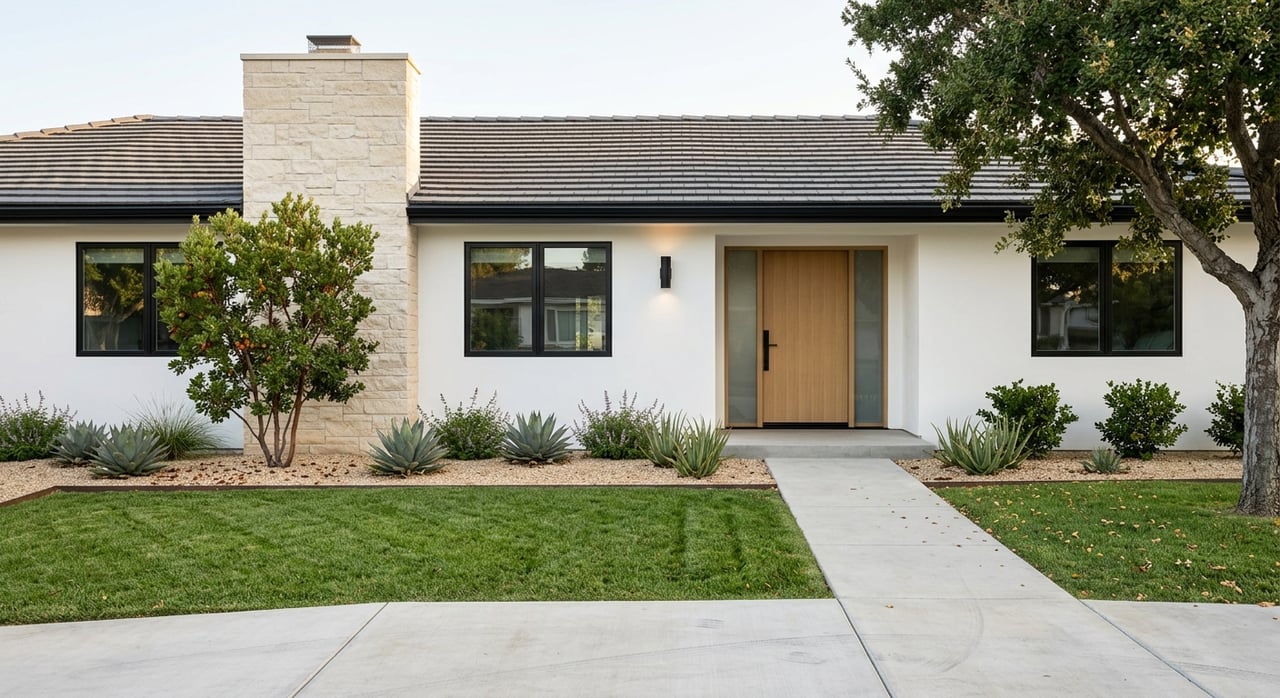
Single-Level Living Options For Comfort And Ease In Vista
June 4, 2026
June 4, 2026
Looking for a home that feels easier to live in today and easier to stay in tomorrow? In Vista, single-level living can be appealing for many reasons, from everyday comfort to long-term planning. If you are downsizing, helping a parent relocate, or simply hoping to avoid stairs, understanding what to look for can help you make a smarter move. Let’s dive in.
Vista offers a mild Mediterranean climate and a setting shaped by gentle rolling hills across about 19 square miles. That mix can make one-story living especially attractive, but it also means a home described as single-level may still include a few steps at the entry, patio, or garage.
That detail matters if comfort, convenience, or aging in place is part of your plan. A one-story layout can reduce the need to go up and down stairs every day, but the best fit often comes down to how the home sits on the lot and how easy it is to move through each space.
Vista also has a broad housing mix. According to the city’s housing element, the local housing stock includes a strong share of single-family homes, along with attached homes, multifamily housing, and mobile homes or other housing types. That gives you more than one path if you want the benefits of single-level living.
Detached homes are often the first option buyers think about. Vista permits one-family dwellings in all residential zones, and local code defines a one-family dwelling as a detached building or qualifying manufactured home on a permanent foundation.
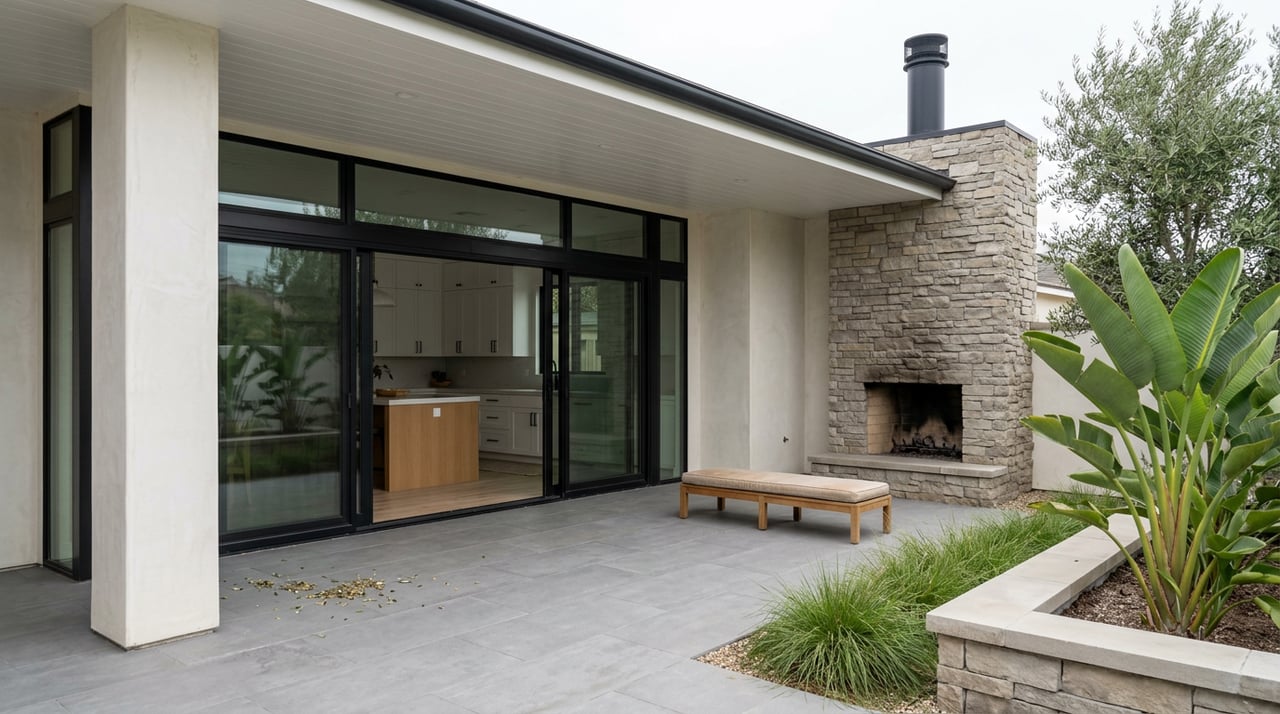
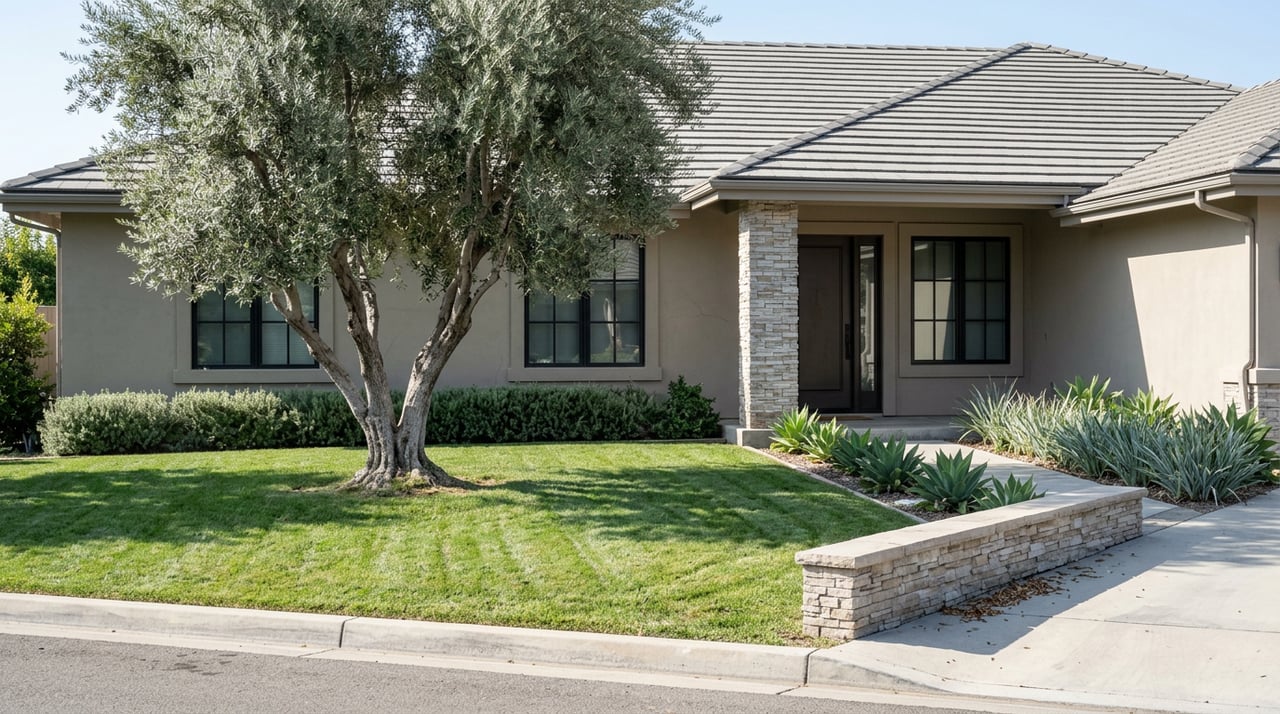
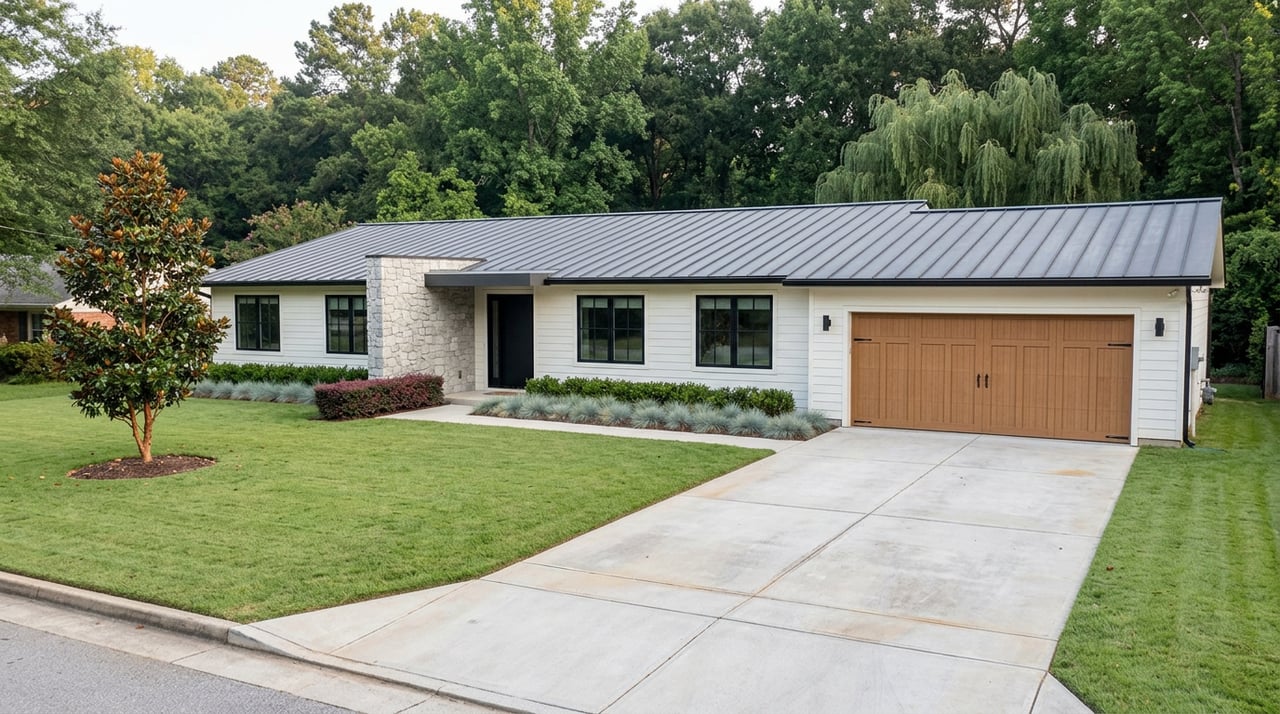
For many buyers, this type of home offers the most privacy and the simplest day-to-day layout. You may also find larger lots, single-story ranch-style homes, or homes with outdoor areas that are easy to enjoy from the main living level.
Single-level living in Vista is not limited to detached houses. Because the city’s housing stock includes attached and multifamily homes, buyers may also find condos, townhome-style properties with main living areas on one floor, or patio-home layouts that reduce maintenance.
These homes can appeal to buyers who want less exterior upkeep while still enjoying a practical floor plan. The right fit depends on how the entry, parking, and shared spaces are designed.
Vista’s local framework also supports certain manufactured homes on permanent foundations as one-family dwellings. For some buyers, this can create another practical route to single-level living.
As with any home type, the layout and site conditions matter. A well-planned one-level interior may still have slope-related challenges outside, so it is important to look beyond the floor plan alone.
If your goal is to stay close to family or plan for caregiving support, an ADU may be part of the conversation. Vista permits ADUs on lots zoned for one-family use in several residential zones, and the city offers a fee-waiver program for certain ADUs that meet occupancy and other conditions.
This can be useful for multigenerational planning, a caregiver suite, or creating flexible space on an existing property. It is a local option worth knowing about if you are thinking beyond a traditional buy-and-sell decision.
For some people, single-level living is simply more comfortable. For others, it is part of a bigger plan to make daily life easier over time.
The safety side is real. The CDC reports that falls are the leading cause of injury for adults age 65 and older, and more than 14 million older adults report falling each year. Fewer stairs can help reduce one common source of concern inside the home.
The California Department of Aging also notes that home modifications can improve safety and accessibility, and that many older adults believe modifications would help them stay independent longer. In that sense, a one-story home can be a strong starting point, especially if you want a layout that may need fewer changes later.
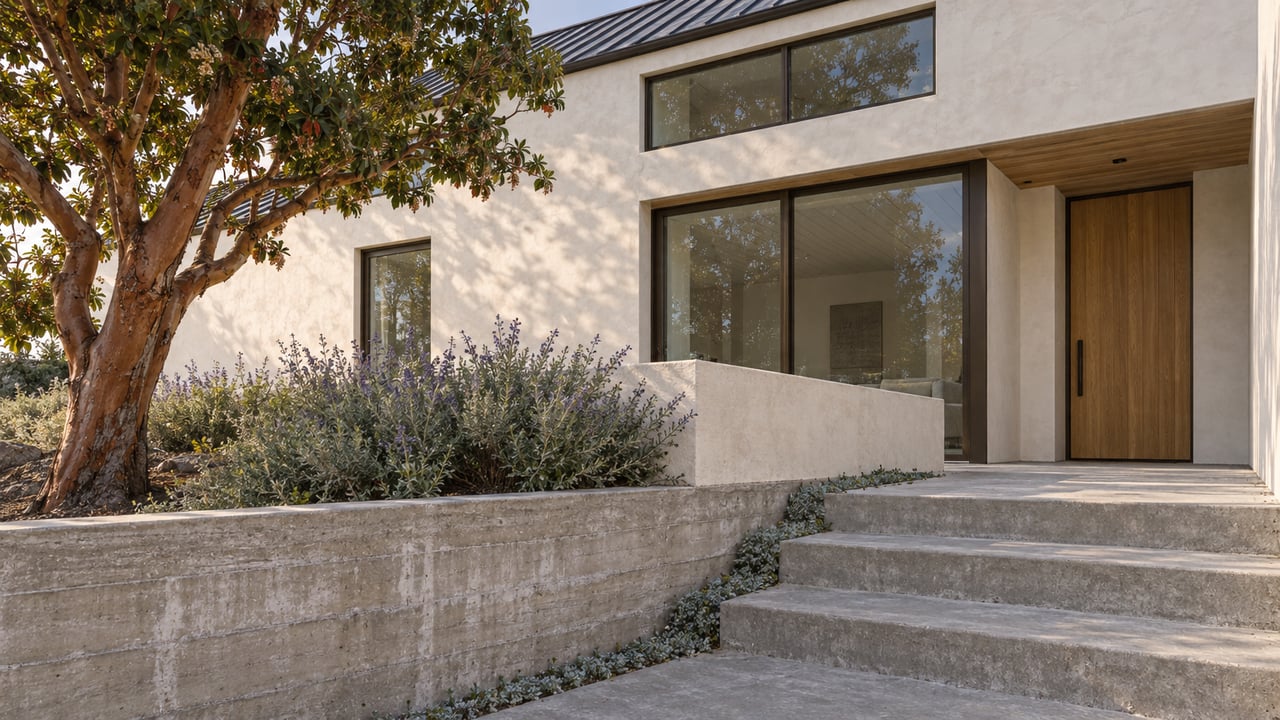
A home can be one level on paper and still feel difficult in practice. In Vista, this matters because rolling terrain can create grade changes that affect the driveway, walkway, and entry.
When you tour homes, look closely at how you actually get in and move around. A few smart observations can tell you a lot.
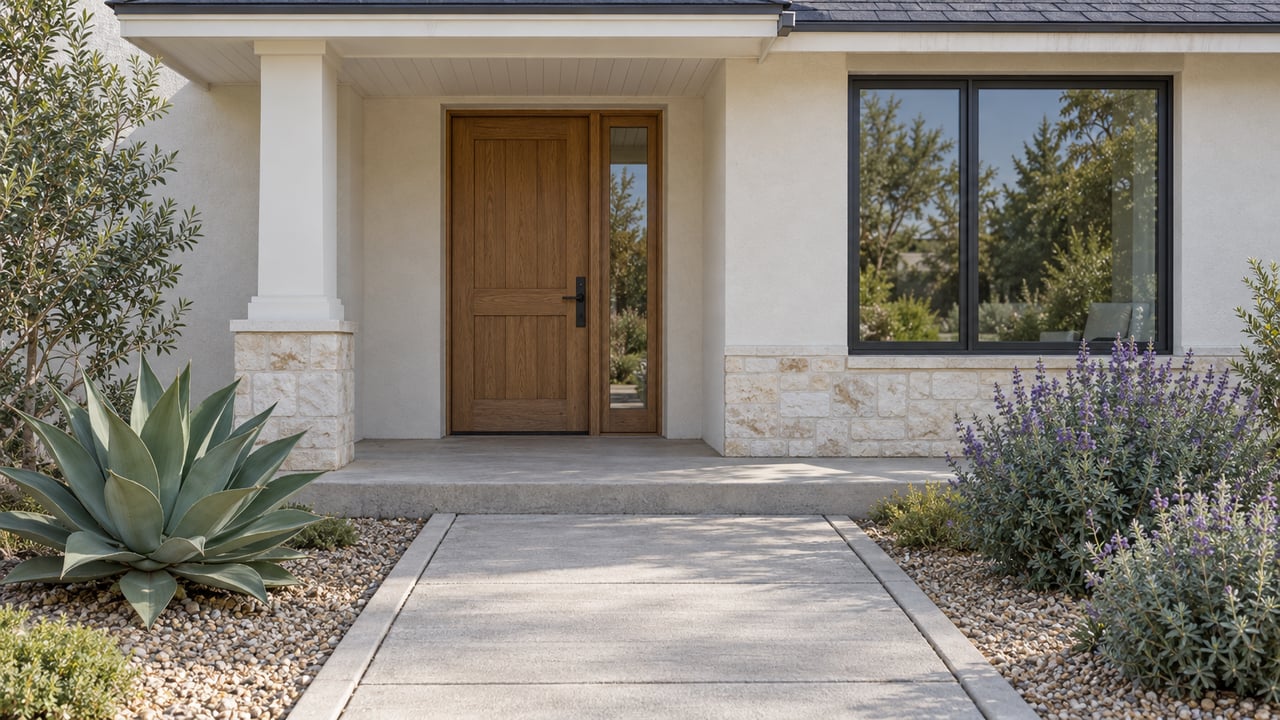
AARP’s HomeFit guidance highlights the value of at least one zero-step exterior doorway. If a home does not have that feature, think about whether the entry could be ramped or modified without major difficulty.
Pay attention to:
Daily comfort often comes down to clear, usable circulation. Hallways and doors that feel roomy for groceries, strollers, walkers, or mobility aids can make a home more functional over time.
As you walk through the home, ask yourself whether the layout feels easy and natural. Small pinch points can become bigger concerns later.
Bathrooms are one of the most important spaces to evaluate in a single-level home. A main-level bathroom that works well now may save you from a costly remodel later.
Look at the shower or tub setup, floor space, and overall ease of movement. Even if you do not need accessibility features today, a practical bathroom layout can support long-term flexibility.
A one-story floor plan is most helpful when the spaces you use most are also easy to access. Laundry, kitchen workspace, bedroom access, and garage entry all matter.
AARP’s room-by-room guidance points buyers toward entrances, hallways, bathrooms, garages, and outdoor areas for exactly this reason. The goal is not perfection. It is a home that fits your real routine.
A standard home inspection is a visual review of the home’s structure and systems, including items like roofing, plumbing, electrical, heating, cooling, walls, floors, windows, doors, and foundation components. Inspection standards also commonly include exterior features such as stairs, ramps, grading, drainage, retaining walls, gutters, and downspouts.
In Vista, grading and drainage deserve extra attention because of the city’s rolling terrain. That does not mean a one-story home has a problem. It does mean you should look carefully at how water moves around the property and how the lot’s slope affects everyday access.
Keep an eye on:
If a home has a garage conversion, addition, or caregiver suite, it is smart to confirm permit history. This is especially important if later work changed the home’s floor levels or created transitions that are not obvious in listing photos.
InterNACHI notes that a home inspection is not a code-compliance review and does not determine the age or approval status of additions. In other words, the inspection is important, but it is not the whole picture.
Vista’s population includes a meaningful share of older adults, with Census QuickFacts reporting that 13.0% of residents are age 65 or older. That helps explain why aging in place is such a relevant part of the conversation here.
If you are deciding whether to move now, modify your current home, or help a family member make a transition, small changes may be worth exploring first. The California Department of Aging points residents to home-modification resources, the Area Agency on Aging, and AARP’s HomeFit materials as practical starting points.
Sometimes the right move is buying a better-fitting one-story home. Other times, it is keeping a current home and making thoughtful updates. The key is understanding your options clearly before the decision feels urgent.
When you are weighing single-level living options in Vista, the home search is only one piece of the puzzle. You may also be thinking about timing, downsizing, family logistics, home preparation, or whether a current property could be adapted instead of sold.
That is where thoughtful, experienced guidance can make a real difference. For seniors, adult children, and families navigating a transition, a calm plan often matters just as much as the property itself.
If you are exploring single-level living in Vista or planning a senior move in North County San Diego, the Chintz Team offers compassionate, full-service guidance designed to make the process easier.
Stay up to date on the latest real estate trends.
AS A SENIOR REAL ESTATE SPECIALIST (SRES) WE ARE COMMITTED TO MEETING THE REAL ESTATE NEEDS OF SENIORS AND THEIR FAMILY MEMBERS. WE HAVE THE TRAINING AND CREDENTIALS NECESSARY TO COUNSEL 50+ CLIENTS AND THEIR FAMILIES THROUGH MAJOR FINANCIAL AND LIFESTYLE TRANSITIONS INVOLVED IN RELOCATING, REFINANCING OR SELLING THEIR FAMILY HOME.