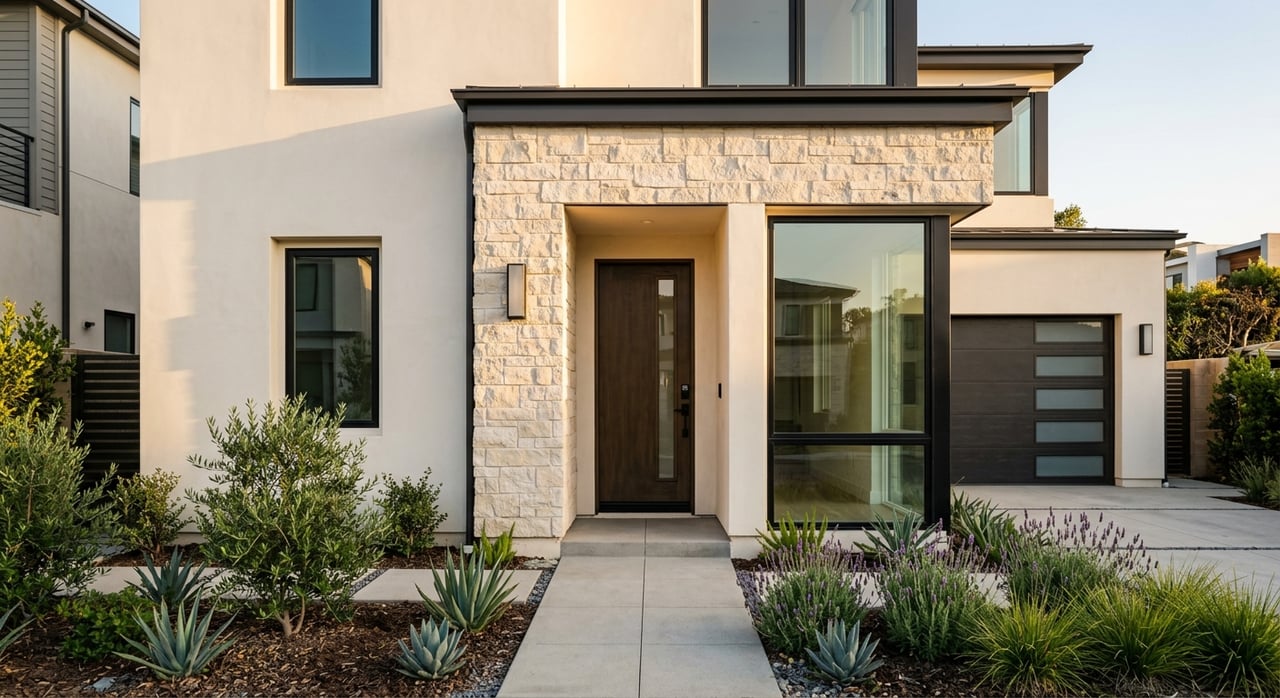
Lock-And-Leave Living In San Marcos Townhomes And Condos
May 21, 2026
May 21, 2026
Wondering whether a condo or townhome in San Marcos could make everyday life simpler? If you want a home that is easier to maintain, easier to leave for a weekend or a longer trip, and still close to parks, trails, and transit, this style of ownership can be a strong fit. For many buyers, especially downsizers, retirees, and busy households, the appeal comes down to less exterior upkeep and more freedom. Let’s take a closer look at what lock-and-leave living in San Marcos really means.
San Marcos offers a practical mix of low-maintenance housing and active local amenities. According to the city, San Marcos has more than 300 acres of parkland, 44 parks, seven facilities, two aquatic complexes, and a 72-mile trail network. That means you can spend more time enjoying the area and less time thinking about yard work.
For older adults and those planning ahead for retirement-friendly living, the city also offers helpful community resources. The San Marcos Senior Center serves adults age 50 and older with programs, nutrition services, and transportation options such as Catch-A-Ride, RideFACT, NCTD+, and discounted BREEZE and SPRINTER fares. If your goal is convenience and flexibility, those services add real value.
Regional mobility is another plus. NCTD’s SPRINTER hybrid rail connects San Marcos with Oceanside, Vista, and Escondido along a 22-mile corridor, with BREEZE bus connections at all 15 stations. If you travel often or simply want another way to get around North County, that can make condo and townhome living even more practical.
In simple terms, lock-and-leave living means you can secure your home and go, without the same level of ongoing exterior maintenance that often comes with a detached house. Many buyers are drawn to townhomes and condos because shared ownership structures often shift some maintenance responsibilities away from the homeowner. That can be especially appealing if you are downsizing or want a home base that supports travel and a lighter day-to-day routine.
That said, lock-and-leave does not mean responsibility-free. In a California common interest development, the association is generally responsible for maintaining, repairing, and replacing common area, while you are generally responsible for your separate interest. Unless governing documents say otherwise, you also maintain exclusive-use common area connected to your unit, while the association handles repair and replacement of that area.
This is why reading the HOA documents matters so much. The details of what is covered, what is shared, and what falls on you can vary from one community to another. A thoughtful review upfront can help you avoid surprises later.
One of the biggest reasons buyers choose a condo or townhome is the chance to reduce routine upkeep. The California Department of Real Estate explains that HOA budgets typically fund operating costs such as cleaning, maintenance, administration, and reserves. Reserve funds may be used for longer-life items like painting, roofing, lighting, carpet, pools, furniture, and paving.
In practical terms, that often means you may not be coordinating exterior paint, roof replacement, or common-area landscaping on your own. Many HOAs also work with professional management companies for day-to-day operations. For buyers who want a simpler ownership experience, that structure can be a major advantage.
There is a tradeoff, of course. In exchange for less hands-on exterior work, you will pay monthly dues, follow HOA rules, and face the possibility of special assessments if major repairs or unexpected costs exceed reserves. That balance is often the key issue when comparing a San Marcos condo or townhome to a detached single-family home.
If you are trying to decide between attached and detached housing, it helps to focus on lifestyle as much as floor plan. A single-family home may offer more private outdoor space and fewer shared rules, but it often comes with more maintenance responsibility. A condo or townhome may offer less exterior burden, but you will want to be comfortable with HOA governance and shared community standards.
Here is a simple comparison:
| Consideration | Condo or Townhome | Single-Family Home |
|---|---|---|
| Exterior upkeep | Often shared through HOA | Usually handled by owner |
| Monthly dues | Common | Not typical |
| Rules and restrictions | Usually more structured | Usually fewer community rules |
| Shared amenities | May be included | Less common |
| Travel convenience | Often strong | Depends on property needs |
For many San Marcos buyers, the answer comes down to what kind of daily life you want. If you prefer less maintenance and a more streamlined home base, attached housing may be the better fit. If you want more control over the property and do not mind more upkeep, a detached home may still make sense.
Parking can be one of the biggest practical differences in lock-and-leave living. The California Department of Real Estate notes that private yard areas, driveways, and parking spaces can be designated as exclusive-use common area. That means you should confirm whether your parking is deeded, assigned, or shared before you buy.
This is especially important in San Marcos because street parking has limits. The city states that public-street parking is regulated by municipal code and the California Vehicle Code. AB 413 also bars parking within 20 feet of marked or unmarked crosswalks, and San Marcos prohibits RVs or mobile living units from parking on residential streets at any time, or on any street or alley between 2 a.m. and 6 a.m.
If you have multiple cars, frequent guests, or travel equipment, do not assume the street will solve the issue. A condo or townhome can still be a great fit, but parking should be part of your decision from day one.
Storage is another area where buyers should slow down and ask questions. In attached communities, garages and storage areas may come with specific HOA rules about what can be stored and how the space can be used. Those details are often spelled out in the CC&Rs and related board rules.
For lock-and-leave buyers, this matters more than it may seem at first. If you are downsizing from a larger home, you may be used to extra garage shelving, seasonal storage, or outdoor equipment space. A smaller footprint can be freeing, but only if it fits the way you actually live.
If you own an electric vehicle or expect to in the future, ask about charging before you fall in love with a property. California Civil Code 4745 voids HOA provisions that effectively prohibit or unreasonably restrict an EV charger in an owner’s unit or designated parking space, including deeded spaces and exclusive-use common area parking spaces, as long as the installation meets state and local safety and permit rules.
That protection is helpful, but it does not mean every installation is simple. San Marcos’ Building Division provides permit guidance for EV charger installations, so buyers should check both the HOA approval process and the city permit path. It is much better to understand the process in advance than to assume charging will be easy to add later.
If you are considering a San Marcos condo or townhome for lock-and-leave living, these questions can help you compare options clearly:
These are not small details. They shape your day-to-day experience and can make a big difference in whether a home truly feels easy to own.
For many downsizers, the real benefit of lock-and-leave living is peace of mind. You may be looking for a home that supports a simpler routine, offers access to local recreation, and reduces the list of ongoing chores. In San Marcos, townhomes and condos can check those boxes while still keeping you connected to parks, trails, programs, and regional transit.
This can be especially appealing if you are moving out of a larger home after many years. A smaller, more manageable property can free up time and energy for travel, hobbies, family, or simply enjoying a lighter lifestyle. The key is finding a community whose rules, parking setup, and maintenance structure truly match your needs.
If you are weighing a move in North County San Diego, it helps to have an advisor who understands both the practical and emotional side of downsizing. The right fit is not just about square footage. It is about how comfortably the home supports the next chapter of your life.
If you are exploring low-maintenance homes or planning a downsizing move, the Chintz Team can help you compare options in San Marcos and across North County with the steady, hands-on guidance that makes transitions feel more manageable.
Stay up to date on the latest real estate trends.

AS A SENIOR REAL ESTATE SPECIALIST (SRES) WE ARE COMMITTED TO MEETING THE REAL ESTATE NEEDS OF SENIORS AND THEIR FAMILY MEMBERS. WE HAVE THE TRAINING AND CREDENTIALS NECESSARY TO COUNSEL 50+ CLIENTS AND THEIR FAMILIES THROUGH MAJOR FINANCIAL AND LIFESTYLE TRANSITIONS INVOLVED IN RELOCATING, REFINANCING OR SELLING THEIR FAMILY HOME.