Leave a Message

Thank you for your message. We will be in touch with you shortly.

ADU Basics for Multigenerational Living in Vista

January 15, 2026

Caring for aging parents or welcoming adult children back home often raises the same question: how do you create comfortable space without uprooting everyone’s lives? If you own a home in Vista, an accessory dwelling unit, or ADU, can offer privacy, safety, and flexibility for your family. In this guide, you’ll learn the basics of ADU types, rules that affect Vista projects, what to expect from permitting, and how to design a unit that works for multigenerational living. Let’s dive in.

What an ADU is and why it helps

An ADU is a smaller, independent home on the same lot as your main house. In Vista, families use ADUs to house aging parents, adult children, or a live-in caregiver. You get proximity for support while preserving privacy for day-to-day life.

Common ADU types you can consider:

  • Attached ADU: Added to your existing home or carved out from interior space.
  • Detached ADU: A separate backyard cottage that functions as an independent unit.
  • Garage conversion: Converts an existing, permitted garage into living space.
  • Junior ADU (JADU): A smaller unit within your existing home, typically with a kitchenette and shared bath access.

Typical size ranges vary by type and lot. Many California jurisdictions allow ADUs up to about 1,200 square feet, while JADUs are commonly limited to around 500 square feet. Vista follows state law, but exact local caps and standards should be confirmed with the City.

Why ADUs fit Vista’s multigenerational needs

Vista families often want a practical way to keep loved ones close while maintaining independence. An ADU can:

  • Support aging in place with a single-level plan and safety features.
  • Provide privacy for adult children launching careers or returning after college.
  • Offer space for a live-in caregiver without disrupting the main home.
  • Add long-term value and flexibility if needs change over time.

Design choices like a private entry, sound insulation, and separate heating and cooling help everyone feel at home. A well-planned ADU can transition from caregiver housing to long-term rental or guest space with minimal changes.

State rules that make ADUs easier

California has updated ADU laws since 2019 to streamline approvals and reduce barriers. Key statewide points that typically apply in Vista:

  • Ministerial approval: Many ADU permits are reviewed without discretionary design hearings, which can shorten timelines.
  • Conversions favored: Converting existing permitted space, such as a garage or accessory structure, is broadly allowed under state rules with limited extra requirements.
  • Size and setbacks: State policy sets minimums and influences maximums. New detached ADUs often have modest side and rear setbacks, commonly around 4 feet where local codes align with state law. Conversions generally do not require new setbacks that would block the project.
  • Parking relief: Parking cannot be required in certain scenarios, such as when the ADU is within a half-mile of public transit or when converting existing floor area. Replacement parking for a removed garage is limited by state law.
  • Fees scaled to size: Impact and some connection fees must be proportionate. Smaller ADUs often pay lower fees than larger ones.
  • Owner occupancy: The state has limited local owner-occupancy mandates in many cases. Always confirm current Vista policies before you apply.

These statewide rules set a floor. Vista’s local standards must comply, and the City can add details where allowed by law.

Vista permitting basics

Vista implements state ADU laws through its Planning and Building Divisions. The process typically includes:

  1. Early check-in: Confirm your zoning, lot coverage, and eligibility with the Planning Division. Ask about setbacks, height, and whether your lot is single-family or multifamily.
  2. Design and plans: Prepare a site plan with lot lines, existing structures, the proposed ADU footprint, parking approach, and utility connections. Include floor plans and elevations.
  3. Permit submission: Apply for building permits and any required ministerial ADU permit. Conversions of existing structures often have fewer submittal items.
  4. Plan review and fees: The City reviews structural, electrical, plumbing, mechanical, and energy code compliance. You will receive an estimate of permit, plan check, and impact or utility fees.
  5. Inspections and final: City inspections occur during construction. Once approved, you receive final sign-off for occupancy.

Vista also applies state parking rules, which means some projects will not need new parking spaces. For detached ADUs farther from transit, one space may be required depending on your site and the City’s code. Always confirm current standards with the Planning Division.

Design for aging parents and caregivers

If your ADU is for an older adult or a caregiver, focus on universal design features that improve safety and independence:

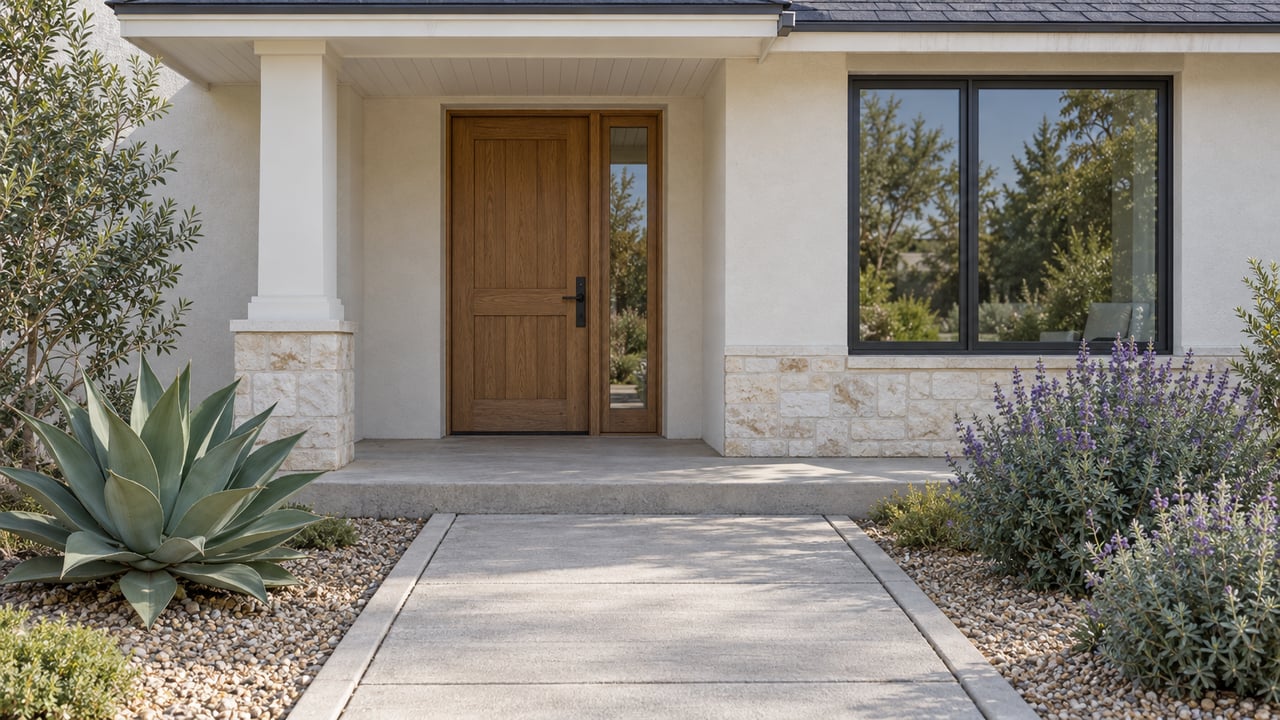
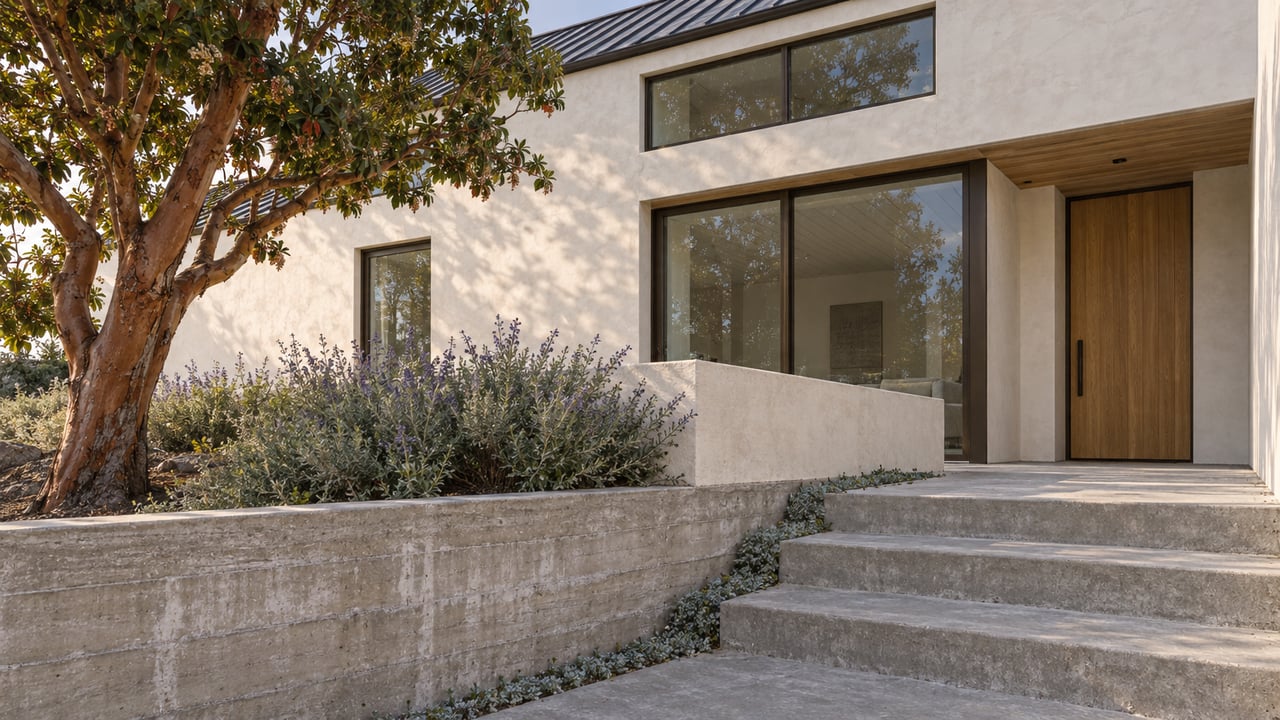
  • Single-level, zero-step entry at the front door.
  • Wider doorways, ideally 36 inches or more.
  • A curbless shower, slip-resistant flooring, and grab-bar-ready walls in the bath.
  • A 5-foot turning radius in at least one bathroom for mobility devices.
  • Lever handles for doors and faucets.

For privacy and comfort, consider a separate entrance, sound insulation between the ADU and main home, and separate HVAC. If a caregiver will visit or stay overnight, plan for a small workspace, storage for supplies, and easy access to the main house.

Design for flexibility so the unit can later serve as a rental or guest space. Decide early if you want a full kitchen or a kitchenette, as this affects classification and layout.

Utilities, septic, and site factors

Your ADU must meet building code standards for water, sewer, gas, electricity, and energy. In most Vista neighborhoods with municipal services, you will connect to city utilities. If your property uses a septic system, approval from the appropriate health agency is required, which can affect feasibility and size.

Site constraints such as slopes, easements, and lot coverage limits can shape your design. If you are in a historic area or governed by an HOA, bring those details to your early conversation with the City.

Budget, financing, and taxes

Costs vary based on size, site conditions, and finish level. Common ways families finance ADUs include cash, a home equity line of credit, renovation loans, or construction financing. Availability, underwriting, and appraisal treatment for ADUs vary by lender, so shop around for programs that align with your goals.

ADUs generally add livable space and potential rental income, which many buyers value. Construction typically increases assessed value, so expect changes in property taxes. For specifics, consult the county assessor or your tax advisor.

Pre-application questions to bring to Vista

Use this checklist to make your first City conversation productive:

  • Lot eligibility: Is my zoning district eligible for an ADU or JADU?
  • Size limits: What are the current maximum square footage and height standards?
  • Setbacks: What side and rear setbacks apply to my lot and type of ADU?
  • Parking: Will my project require parking, or do state transit or conversion rules remove that requirement?
  • Fees: What are the estimated permit, impact, and utility connection fees for my proposed size?
  • Timeline: What is the current plan check timeframe for ADU permits?
  • Utilities: Are there any capacity or connection constraints I should plan for?
  • Owner occupancy and rentals: What are Vista’s current rules on owner occupancy and short-term rentals?
  • HOA or easements: Do I need documentation for HOA approvals or known easements?

Timeline and what to expect

Ministerial ADU permits are intended to be faster than traditional discretionary reviews. If your plans are complete and the scope is straightforward, reviews can take weeks to a few months depending on workload. Conversions of existing space may move faster. Build time depends on your contractor, weather, and site conditions.

Plan for design, cost estimates, and financing before submitting. Starting with a clear site plan and code check will reduce back-and-forth during review.

Local support for senior-focused ADUs

If your ADU is part of a broader transition for a parent or an estate, coordination matters. A thoughtful plan can minimize disruption, from preparing the main home to timing the move into the new unit. The right team helps you balance care needs, budgets, and long-term goals so you can move forward with confidence.

When you are ready to explore options, reach out for local guidance, referrals, and a plan tailored to your family’s needs. To start a private conversation about your ADU or a larger transition, connect with the Chintz Team. Request a free home valuation and senior transition consultation.

FAQs

Can I build an ADU on my Vista property?

  • Many single-family lots allow ADUs, but eligibility depends on zoning, lot coverage, and site conditions. Confirm with Vista’s Planning Division.

How big can an ADU be in Vista?

  • State policy influences size and cities commonly allow up to about 1,200 square feet for ADUs, while JADUs are smaller. Check Vista’s current size caps before designing.

Will I need to add parking for my ADU?

  • Parking requirements are limited by state law in several scenarios, such as proximity to transit or when converting existing space. Ask Vista which rules apply to your site.

Do I have to live on the property if I add an ADU?

  • State law has narrowed local owner-occupancy rules for many ADUs, but local policies can change. Verify Vista’s current requirements before you apply.

What permits do I need for a garage conversion ADU?

  • You will submit building plans for review of structural, electrical, plumbing, mechanical, and energy codes. Conversions often have fewer submittal items than new builds.

How long does ADU permitting usually take in Vista?

  • Ministerial ADU permits are designed to be faster; timelines often run from a few weeks to a few months depending on plan completeness and review volume.

Can I rent my ADU short-term in Vista?

  • Short-term rental rules are set by local ordinance and may differ from long-term rental policies. Confirm Vista’s current regulations and any HOA restrictions.

Work With Us

AS A SENIOR REAL ESTATE SPECIALIST (SRES) WE ARE COMMITTED TO MEETING THE REAL ESTATE NEEDS OF SENIORS AND THEIR FAMILY MEMBERS. WE HAVE THE TRAINING AND CREDENTIALS NECESSARY TO COUNSEL 50+ CLIENTS AND THEIR FAMILIES THROUGH MAJOR FINANCIAL AND LIFESTYLE TRANSITIONS INVOLVED IN RELOCATING, REFINANCING OR SELLING THEIR FAMILY HOME.